Can Zip Blinds Keep Aircon In? The Truth About Insulation & Cooling
Understanding the Role of Insulation in Cooling Efficiency
Keeping a home cool is not only about having a powerful air-conditioning unit. It is also about controlling how much heat enters the home in the first place. In Singapore, many homes depend on air conditioning because of the heat, humidity and strong afternoon sun. However, when outdoor heat enters through balcony openings, windows or glass doors, the aircon has to work harder to maintain a comfortable indoor temperature.
This is where outdoor shading and insulation work together. Proper insulation slows down heat transfer, while external shading helps reduce direct sunlight and heat before they reach the home.
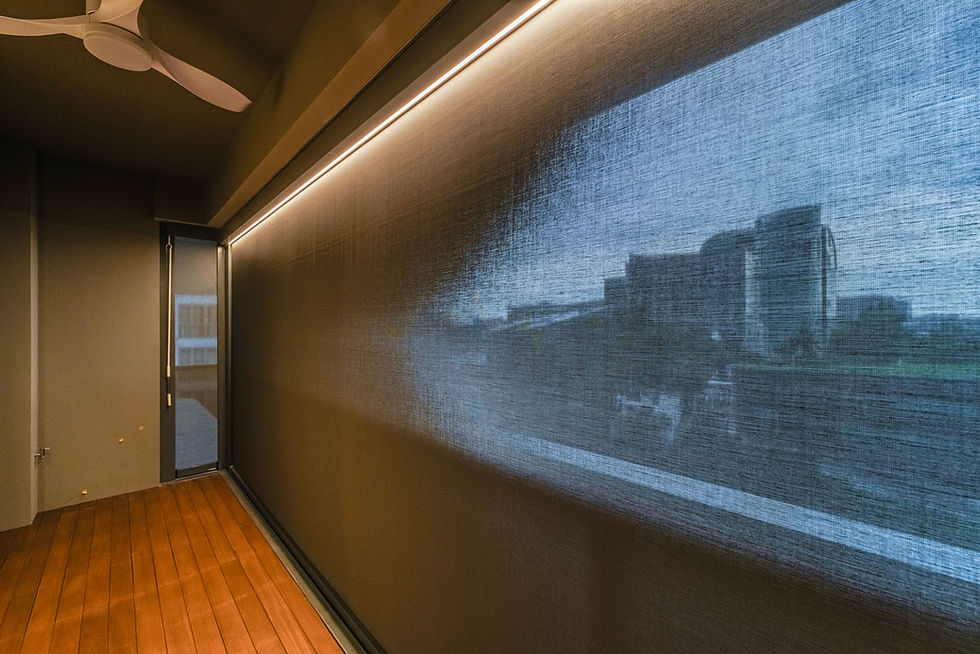
For condo and landed homes with balconies, patios or large glass doors, ZipBlind® can help create an added protective layer at the opening. It does not turn the balcony into a sealed indoor room, but it can help reduce heat gain, glare and outdoor exposure.
Why balconies and windows affect cooling
Windows and balcony doors are common weak points when it comes to indoor cooling.
Glass allows sunlight to pass through, which can increase indoor heat build-up. This is especially noticeable in west-facing homes, high-floor units and rooms connected to large balcony openings.
Indoor curtains and blinds can reduce glare, but they only work after sunlight has already passed through the glass. Outdoor blinds work differently. They help manage heat before it reaches the balcony door or window.
By placing a track-guided screen at the outdoor opening, ZipBlind® helps reduce direct sun, glare and heat exposure before they affect the living space.

How ZipBlind® supports cooling comfort
ZipBlind® is designed to fit closely within an opening using a track-guided system. The fabric is held within side tracks, which helps reduce loose movement and side gaps commonly found in basic outdoor blinds.
This creates a more controlled layer between the outdoor environment and the home.
It is important to be realistic. ZipBlind® is not a wall, window or insulated glass panel. It does not make your balcony airtight. However, it can help reduce direct sunlight, outdoor heat and air movement around the opening.
When less heat reaches the balcony and glass doors, the connected indoor space can feel more comfortable. This may help support more efficient air-conditioning use because the system is not constantly fighting as much direct heat from outside.
In simple terms, ZipBlind® helps reduce the conditions that make your aircon work harder.
Reducing heat gain before it enters the home
Heat gain happens when outdoor heat enters your home and raises the indoor temperature.
In Singapore homes, this often happens through direct sunlight, heated balcony floors, warm glass surfaces and outdoor air around large openings.
ZipBlind® helps reduce heat gain in a few ways. First, it blocks a portion of direct sunlight before it reaches the balcony floor, furniture and glass doors. This helps reduce how quickly these surfaces heat up.
Second, its track-guided design keeps the fabric more stable within the opening. This helps create a neater and more controlled screen against sun, wind and outdoor drift.
Third, different fabric openness options allow homeowners to choose the balance between shade, airflow, privacy and view. A lower openness fabric provides stronger shielding from sun and glare, while a higher openness fabric keeps the space brighter and breezier.
Helping air conditioning work more efficiently
If your balcony receives strong sun for several hours a day, the surrounding surfaces can heat up and radiate warmth back towards the living area. Even when the aircon is on, the room may still feel warmer than expected.
Lowering ZipBlind® during the hottest parts of the day can help reduce direct heat exposure at the balcony opening. This supports a more comfortable indoor environment and may reduce the cooling load on your air-conditioning system.
The benefit is not only about energy use. It is also about comfort.
A cooler balcony area can make the living room feel less harsh in the afternoon. It can reduce glare on screens, soften incoming light and make the connected indoor space more pleasant to use.
ZipBlind® compared with indoor curtains and blinds
Traditional curtains, roller blinds and indoor shades are useful for light control and privacy. However, because they are installed inside the home, sunlight has already passed through the glass before it reaches them.
ZipBlind® works from the outside. It helps control sun exposure before it reaches the balcony doors or windows. This makes it useful for homeowners who want to manage heat closer to the source.
Compared with loose outdoor blinds, ZipBlind® also offers a more structured fit. Its track-guided system keeps the fabric taut and reduces flapping, helping the balcony feel more controlled during everyday wind and weather.
This makes ZipBlind® useful not only for cooling support, but also for privacy, rain protection and overall balcony usability.
Choosing the right fabric for cooling
Fabric choice affects how much heat, light and airflow your outdoor blinds allow. A lower openness fabric blocks more sunlight and glare. It creates a more sheltered feel and may be suitable for homes with strong afternoon sun or higher privacy needs.
A higher openness fabric allows more airflow and helps preserve the outdoor view. This may suit homes that are already sheltered or homeowners who prefer a brighter, breezier balcony.
ZipBlind® uses Phifer® SheerWeave woven PVC fabric, with openness options that allow homeowners to balance sun control, privacy, airflow and visibility.
For cooling comfort, the right fabric depends on your home’s orientation, balcony exposure and daily usage. A site assessment can help determine which option fits the space best.
Practical tips to improve cooling with ZipBlind®
To get better cooling support from ZipBlind®, use it at the right time. Lower the blinds before the harshest afternoon sun reaches your balcony. This helps reduce heat build-up before the space becomes uncomfortable.
Keep balcony doors or windows closed when the air conditioning is on. ZipBlind® can reduce heat exposure outside the opening, but the indoor room still needs to be properly closed for the aircon to work efficiently. Choose fabric openness based on your exposure. If your balcony faces strong afternoon sun, a lower openness option may provide better heat and glare control.
You can also use ceiling fans or standing fans indoors to circulate cool air more evenly. This helps the room feel comfortable without relying only on lower thermostat settings.
For evening use, selected ZipBlind® models also include illumi™ slow-fade LED lighting, making the balcony more practical when the blinds are lowered and daylight is reduced.
Final thoughts
ZipBlind® does not replace proper insulation, quality windows or an efficient air-conditioning system. It also does not make a balcony fully airtight. What it does is help reduce heat gain, glare and outdoor exposure at one of the most important openings in the home.
By blocking harsh outdoor heat before it reaches the living area, ZipBlind® supports a cooler, calmer and more usable home environment.The result is not just better aircon efficiency. It is a balcony and living space that feel more comfortable throughout the day.