
Evaluating Wind Resistance: How ZipBlind® Helps Stabilise Outdoor Spaces
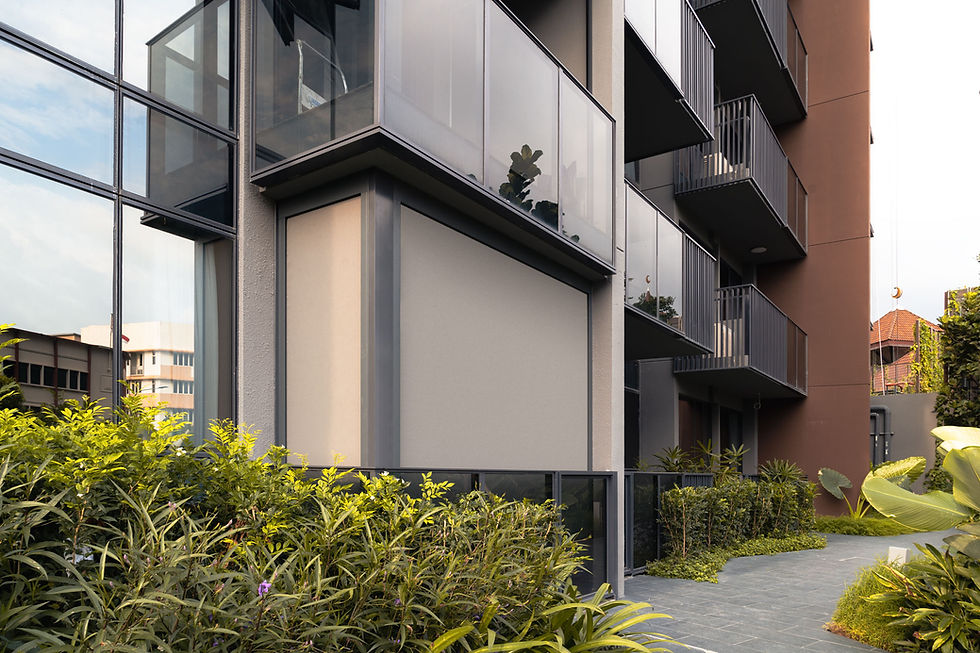
Wind is one of the main reasons outdoor spaces in Singapore become uncomfortable or underused. A balcony may look spacious and inviting, but once strong wind enters from the side, the space can feel noisy, exposed and hard to enjoy. Plants may sway aggressively, laundry may shift, lightweight furniture may move, and loose outdoor blinds may flap or rattle. This is especially common in high-floor condo units, corner balconies and landed homes with open patios or pergolas. For homeowners who want to use their outdoor space more often, wind resistance is not just a technical feature. It directly affects comfort, safety, daily usability and how settled the space feels. ZipBlind® is designed to help manage this by keeping the fabric guided within side tracks, reducing unnecessary movement and creating a more stable screen across the opening.
Understanding ZipBlind® and its design
ZipBlind® is an outdoor blind system designed for balconies, patios, verandas, pergolas and other semi-outdoor areas. Unlike loose outdoor blinds where the fabric hangs freely or moves more easily in the wind, ZipBlind® uses a guided side-track system that holds the fabric securely on both sides. This helps the screen stay taut as it moves up and down, while reducing side gaps where wind can enter. When lowered, the blind creates a more controlled protective layer across the opening, helping homeowners manage sun, rain, wind and privacy without permanently enclosing the space. This design is especially useful in Singapore, where the weather can change quickly and an outdoor space that feels comfortable in the morning may become windy, hot or wet later in the day.
How guided side tracks improve wind resistance
The guided side-track system is one of the key reasons ZipBlind® feels more stable than basic outdoor blinds. In a loose blind system, wind can push against the fabric and cause it to flap, sway or move away from the sides. Over time, this movement can affect comfort and may make the balcony feel unsettled. ZipBlind® helps reduce this by keeping the fabric held within the side channels, so the screen remains more controlled even when wind moves across the opening. This does not mean the space becomes sealed or stormproof, but it does help reduce the distracting movement that many homeowners dislike. For daily use, this makes the balcony, patio or pergola feel calmer and more structured, especially compared with systems where the fabric edges are more exposed.
Key factors that affect wind resistance
Wind resistance depends on more than one feature. The first factor is the system design, because a guided side-track system provides better fabric control than a loose or cable-guided blind. The second factor is the size of the opening, as larger panels face more wind pressure because there is more fabric surface for the wind to push against. The third factor is the exposure of the home. A sheltered low-floor balcony will behave differently from a high-floor corner unit, while an open landed patio or pergola may experience wind from several directions. Installation quality also plays a major role. Even a well-designed outdoor blind can underperform if the tracks are misaligned, the mounting points are weak or the fabric tension is not properly set. This is why wind resistance should always be understood as a combination of product design, material choice, site exposure and workmanship.
Why fabric quality matters
Fabric quality has a direct impact on long-term wind performance. Outdoor blind fabric needs to handle sun, rain, humidity, wind pressure and repeated movement, while still holding its shape over time. If the fabric stretches, sags or loses form, it may not sit properly within the side tracks, which can affect both appearance and performance. ZipBlind® uses Phifer® SheerWeave woven PVC fabric, which is designed for long-term outdoor use and dimensional stability. This helps the screen maintain a neater and more consistent appearance over time. Fabric openness also affects how the blind feels in windy conditions. A tighter fabric creates stronger shielding from outdoor elements, while a more open fabric allows more airflow through the weave. The right choice depends on how exposed the space is, how much privacy is needed and whether the homeowner wants stronger coverage or a breezier outdoor feel.
Why frame, track and installation quality matter
The fabric is important, but the supporting structure is just as critical. Side tracks, pelmets, bottom bars and mounting points all affect how stable the blind feels during operation and daily use. A strong frame helps support the fabric under pressure, properly aligned tracks allow the blind to move smoothly, and a well-fitted pelmet gives the system a cleaner and more secure finish. If any part of the system is poorly designed or badly installed, the blind may rattle, shift or move unevenly. Professional installation is therefore essential, especially for exposed balconies and larger openings. The installer should assess the mounting surface, wall alignment, ceiling condition, panel width and wind exposure before confirming the setup. For condo homeowners, MCST requirements may also affect colour, placement and installation method, so these details should be checked early.
Wind resistance for high-floor condos and landed homes
High-floor condo units often experience stronger wind, especially corner units or balconies facing open surroundings. Wind can also funnel between buildings, making certain units feel more exposed than others. In these situations, a stable outdoor blind system matters because loose fabric can flap, create noise and make the balcony feel uncomfortable. ZipBlind® helps create a more controlled layer by keeping the fabric guided within side tracks, which can reduce flapping and improve everyday comfort. For landed homes, patios and pergolas, the concern is often open-sided exposure. A pergola may provide shelter from above but still allow wind, rain and sun to enter from the sides. Adding ZipBlind® creates adaptable side coverage, making the space feel more covered and private when needed, while still allowing the area to be opened up when the weather is pleasant.
Choosing the right ZipBlind® setup for windy spaces
The right ZipBlind® setup depends on the opening size, wind exposure and how the homeowner wants to use the space. For high-floor condos or exposed balconies, homeowners should prioritise system stability, proper fabric selection and professional installation. For landed patios or pergolas, the focus may be on wider coverage, side protection and creating a more comfortable outdoor dining or hosting area. Operation style also matters. Motorised systems offer convenience for larger openings, while manual systems may suit smaller spaces. Hybrid systems such as ZipBlind® X offer both motorised and spring-boosted manual operation, giving homeowners more flexibility in daily use. A proper consultation helps determine the suitable model, fabric openness and configuration based on the actual site conditions instead of choosing based on appearance alone.
Maintenance tips for long-term wind performance
Regular care helps ZipBlind® maintain its movement and stability over time. Homeowners should keep the tracks clear of leaves, dust and debris so the blind can move smoothly, and the fabric should be cleaned when needed using suitable methods recommended by the installer. If the blind starts making unusual noise, moves unevenly or feels resistant during operation, it is better to arrange servicing instead of forcing it. Furniture, planters and other outdoor items should also be placed away from the blind path so they do not obstruct the bottom bar. During unusually strong storms, homeowners should follow the usage guidance provided by the installer or manufacturer, because outdoor blinds are designed for weather protection but should still be used responsibly.
Final thoughts
Wind resistance is one of the most important things to consider when choosing outdoor blinds in Singapore. A good system should not only provide shade, but also help stabilise the outdoor space, reduce flapping and create a more comfortable environment during everyday wind conditions. ZipBlind® supports this through its guided side-track design, durable fabric, proper structural components and tailored installation. It is not about making a balcony, patio or pergola completely sealed or stormproof. It is about making the space feel calmer, more usable and better prepared for real Singapore weather. For homeowners planning to install outdoor blinds, the key is to choose a system that matches the exposure of the space, is professionally installed and is supported by reliable after-sales care.


